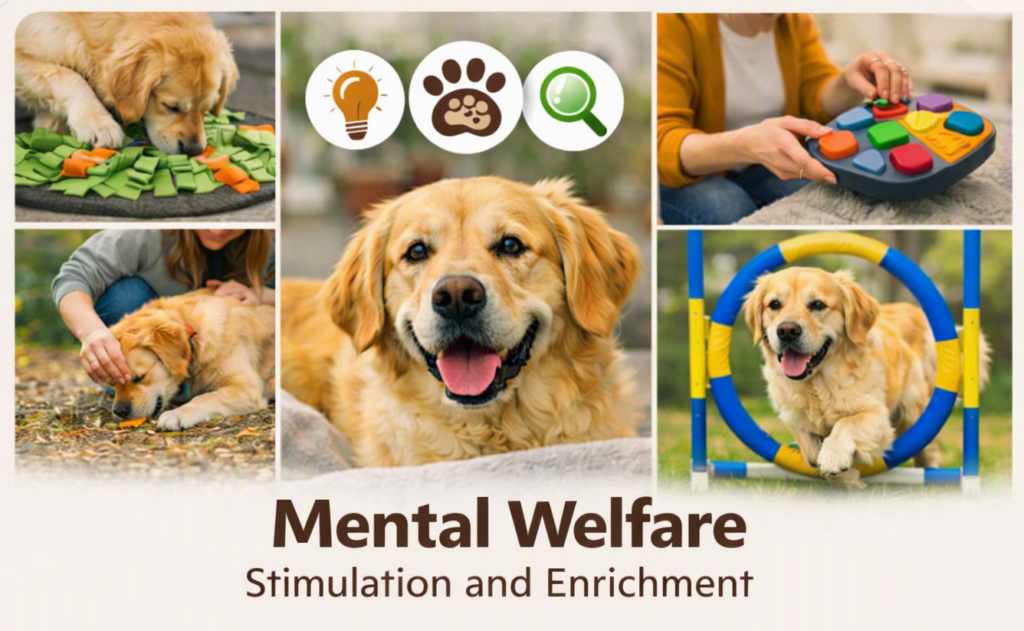
From the Series: “Choosing your Dog Wisely”.
Compatibility, risks, and responsible planning — understanding multi‑dog dynamics, breed compatibility, temperament matching, and how to prevent conflict or aggression in multi‑dog homes.
Why This Chapter Matters
Owning more than one dog can be deeply rewarding — or dangerously stressful. Multi‑dog households succeed only when compatibility, structure, and leadership are carefully planned.
This chapter helps readers understand how to prevent conflict and build harmony.
1. Understanding Multi‑Dog Dynamics
A. Pack Structure and Hierarchy
- Natural hierarchy — dogs form social ranks based on confidence, not dominance.
- Human leadership — owners must guide calmly and consistently.
- Conflict triggers — competition for food, toys, or attention.
- Stable routines — predictability reduces anxiety and rivalry.
B. Social Learning
- Dogs learn from each other — good habits spread, but so do bad ones.
- Group reinforcement — training together strengthens cooperation.
- Individual attention — each dog still needs one‑on‑one time.
2. Breed Compatibility
A. Energy Level Matching
- High‑energy breeds need active companions.
- Low‑energy breeds prefer calm environments.
- Mismatched energy levels cause frustration and aggression.
B. Size and Strength Considerations
- Size imbalance risks — large dogs can unintentionally injure smaller ones.
- Play style compatibility — rough vs gentle play must be monitored.
- Supervised introductions — prevent dominance displays early.
C. Breed Temperament
- Working breeds — thrive with structure and purpose.
- Companion breeds — value closeness and calm.
- Guarding breeds — may struggle with sharing territory.
3. Temperament Matching
A. Personality Traits
- Confidence vs submission — balance prevents bullying.
- Playfulness vs calmness — extremes clash.
- Tolerance levels — some dogs dislike close contact.
B. Age and Sex Dynamics
- Male‑male tension — common in unneutered dogs.
- Female‑female rivalry — often more intense.
- Age gaps — older dogs may resent energetic puppies.
C. Emotional Compatibility
- Attachment styles — insecure dogs need calm companions.
- Stress contagion — one anxious dog can unsettle the group.
- Shared enrichment — joint play builds trust.
4. Preventing Conflict and Aggression
A. Structured Introductions
- Neutral territory meetings — avoid territorial tension.
- Gradual exposure — short, positive sessions first.
- Body language monitoring — intervene early.
B. Resource Management
- Separate feeding zones — prevents food guarding.
- Individual toys and beds — reduces competition.
- Controlled affection — equal attention avoids jealousy.
C. Training and Reinforcement
- Group obedience sessions — builds unity.
- Calm leadership — dogs mirror your emotional tone.
- Professional help — early intervention prevents escalation.
5. Responsible Planning Before Adding Another Dog
A. Evaluate Your Current Dog
- Temperament assessment — is your dog sociable or territorial?
- Health and age — can your dog handle a companion?
- Training foundation — stability first, expansion second.
B. Choose the Right Companion
- Match energy and temperament — harmony starts with balance.
- Adopt responsibly — avoid impulse decisions.
- Trial introductions — test compatibility before commitment.
C. Prepare Your Environment
- Space and resources — enough room for comfort.
- Routine adjustments — feeding, walking, and play schedules.
- Emergency planning — vet access and backup care.
6. Key Takeaway
Adding another dog is not about companionship — it’s about social balance and welfare. Compatibility, structure, and calm leadership turn potential chaos into lifelong harmony.
Related posts:
Walking Your Dog Safely: The Essential Role of the Leash

Decoding Your Dog — Why This Book Matters More Than Most People Realise

“Help! My Puppy/Dog Is Urinating All Over My Apartment!” — A Clear, Calm Guide for Chinese Dog Owner...

Series Introduction: Choosing Your Dog Wisely.