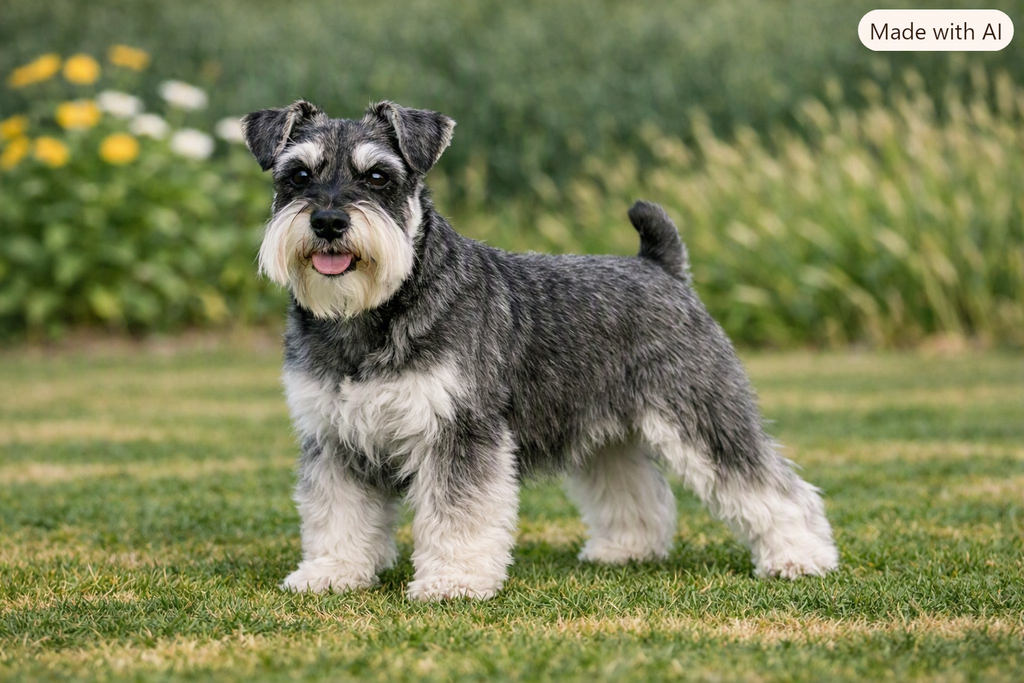
A Category: Family Companions

From The Global Dog Breed Compendium: A Complete Guide to 400+ Breeds Worldwide
Also known as: Occasionally “Labrador” or “Lab” (common shorthand)
Notes: No formal alternative names; “Lab” is universal slang.
Introduction
The Labrador Retriever is one of the most popular and versatile breeds worldwide. Known for its intelligence, loyalty, and cheerful disposition, the Labrador has earned its place as both a working dog and a beloved family companion. Originally bred in Newfoundland and refined in Britain, this breed’s adaptability and eagerness to please make it suitable for nearly any household.
Appearance & Temperament
Labradors are medium‑to‑large dogs with a strong, athletic build and a short, dense, water‑resistant coat. They come in three recognized colours — black, yellow, and chocolate. Their expression is gentle and intelligent, reflecting their calm and friendly nature.
Temperamentally, Labradors are affectionate, patient, and highly social. They bond deeply with their families and are known for their even‑tempered, trustworthy behaviour around children and other pets.
Origin & History
The breed traces its roots to the St. John’s Water Dog of Newfoundland, used by fishermen to retrieve nets and fish. British breeders refined the type in the 19th century, emphasizing its retrieving ability and stable temperament. The Labrador quickly became a favourite among hunters and families alike, valued for its versatility and reliability.
Original Purpose
Labradors were bred primarily as retrieving dogs for waterfowl hunting. Their natural love of water, strong swimming ability, and soft mouth made them ideal for collecting game without damage.
Key Features Supporting That Purpose (H2)
- Water‑resistant coat for cold conditions
- Otter‑like tail for balance and propulsion in water
- Webbed feet aiding swimming
- Strong retrieving instinct and gentle mouth
- High intelligence for complex commands
Modern Roles
Today, Labradors excel in:
- Assistance and therapy work
- Search and rescue
- Detection and service roles
- Family companionship
- Sporting and obedience competitions
Their adaptability and eagerness to learn make them one of the most useful breeds in modern society.
Suitability for Owners
Ideal for active families, single owners, or households with children. Labradors thrive on interaction, exercise, and mental stimulation. They are not suited to isolation or sedentary lifestyles but adapt well to both rural and suburban environments.
Daily Life With This Breed
Labradors require daily activity — walks, play sessions, and mental challenges. They enjoy swimming, retrieving, and participating in family outings. Their affectionate nature means they prefer being part of household routines rather than left alone for long periods.
Challenges & Care Considerations
- Prone to obesity if overfed or under‑exercised
- Requires consistent grooming and ear cleaning
- Needs regular veterinary checks for hips and elbows
- Benefits from structured training to manage enthusiasm
With proper care, Labradors remain healthy, happy, and deeply bonded companions.
Author’s Note
This profile is part of A Category: Family Companions, the first section of The Global Dog Breed Compendium: A Complete Guide to 400+ Breeds Worldwide.
Links will become active once each breed post is published.
© 2026 Wayne Viviers — www.wayneviviers.com. All rights reserved. This article and all associated content are original intellectual property belonging to Wayne Viviers. No part of this publication may be reproduced, copied, stored, shared, republished, or transmitted in any form — including digital formats, electronic devices, online platforms, offline media, or any other medium — without prior written permission from the author. For permission requests, please contact: info@wayneviviers.com