
From the Series: “Choosing your Dog Wisely”.
Every breed category carries instincts that still shape behaviour today. When owners ignore those instincts, dogs suffer — and so do humans.
Let’s look at what this means in real life.
Gundogs — The people‑pleasers who need purpose
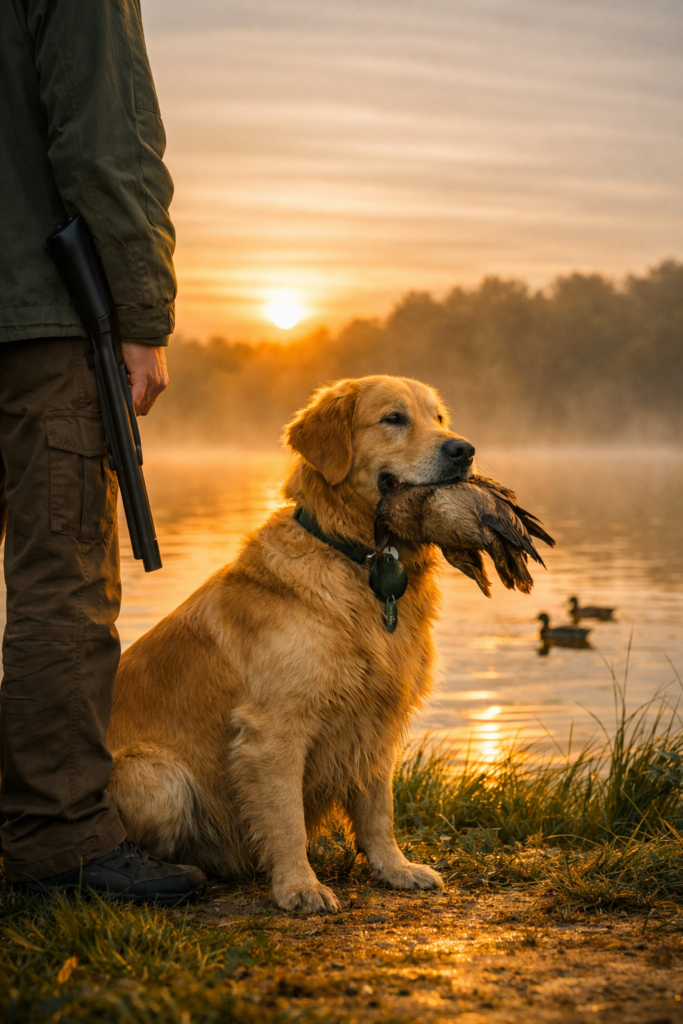
Imagine a family choosing a Golden Retriever because it’s gentle and cute.
They live in a high‑rise apartment, work long hours, and walk the dog only twice a day.
Within months, the dog begins to chew furniture, bark for attention, and pull on the leash. Why? Because Retrievers were bred to work beside humans, not wait alone all day.
Lesson: A gundog without interaction becomes emotionally starved.
They need companionship, training, and outdoor activity — not isolation.
Hounds — The independent thinkers

A young couple adopts a Beagle because it looks friendly.
They’re shocked when it ignores recall and follows scents for blocks.
They think it’s “stubborn,” but it’s actually doing what Beagles were bred to do — follow scent trails.
Lesson: Hounds require secure spaces, scent games, and patience.
They’re not disobedient — they’re instinct‑driven.
Terriers — The fearless diggers

A city owner brings home a Jack Russell Terrier for its small size.
Within weeks, the dog is barking at every sound, digging through cushions, and chasing pigeons.
The owner scolds it, thinking it’s misbehaving.
But terriers were bred to hunt vermin underground — their energy is explosive and focused.
Lesson: Terriers need structured outlets for their drive — agility, scent work, or puzzle play. Without it, they turn that energy inward and become reactive.
Working dogs — The loyal protectors

A first‑time owner buys a Rottweiler because it looks strong and confident.
They don’t realize it was bred for guarding and control.
Without clear leadership and training, the dog becomes anxious and defensive.
Soon, neighbours complain, and the dog is labelled “aggressive.”
Lesson: Working breeds need experienced, calm handlers who provide structure and purpose. They’re not dangerous — they’re misunderstood.
Pastoral dogs — The herders of movement
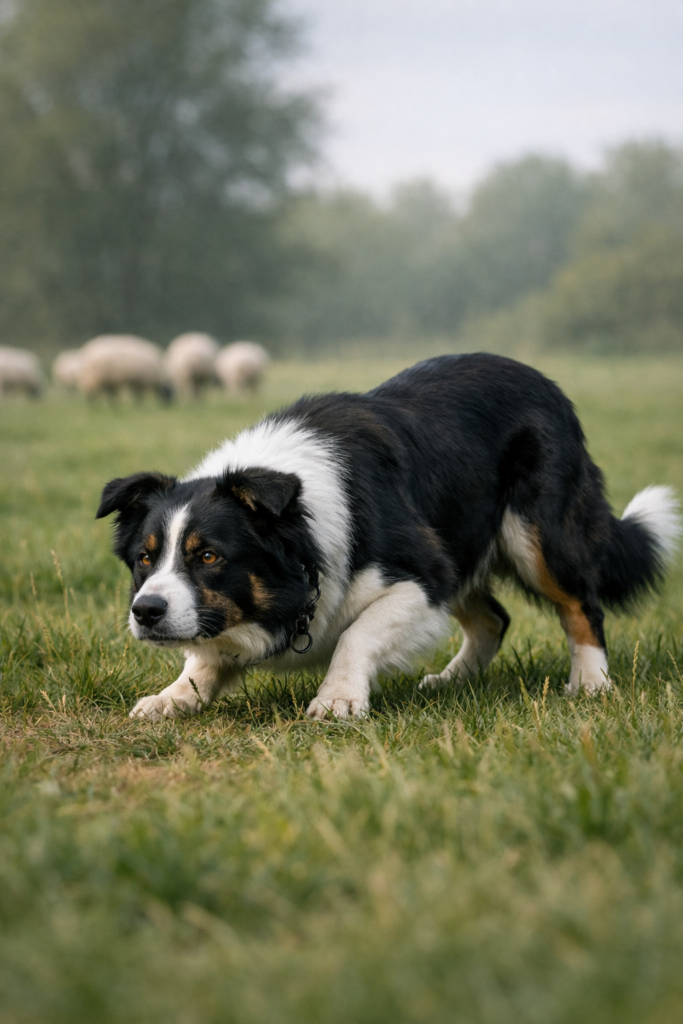
A family adopts a Border Collie for its intelligence.
They live in a small apartment and play fetch for hours.
The dog begins to nip at children’s heels and chase bikes.
Why? Because Collies were bred to control movement — and without livestock, they redirect that instinct.
Lesson: Herding dogs need mental challenges, not endless physical play. They thrive on problem‑solving and clear boundaries.
Utility dogs — The adaptable companions
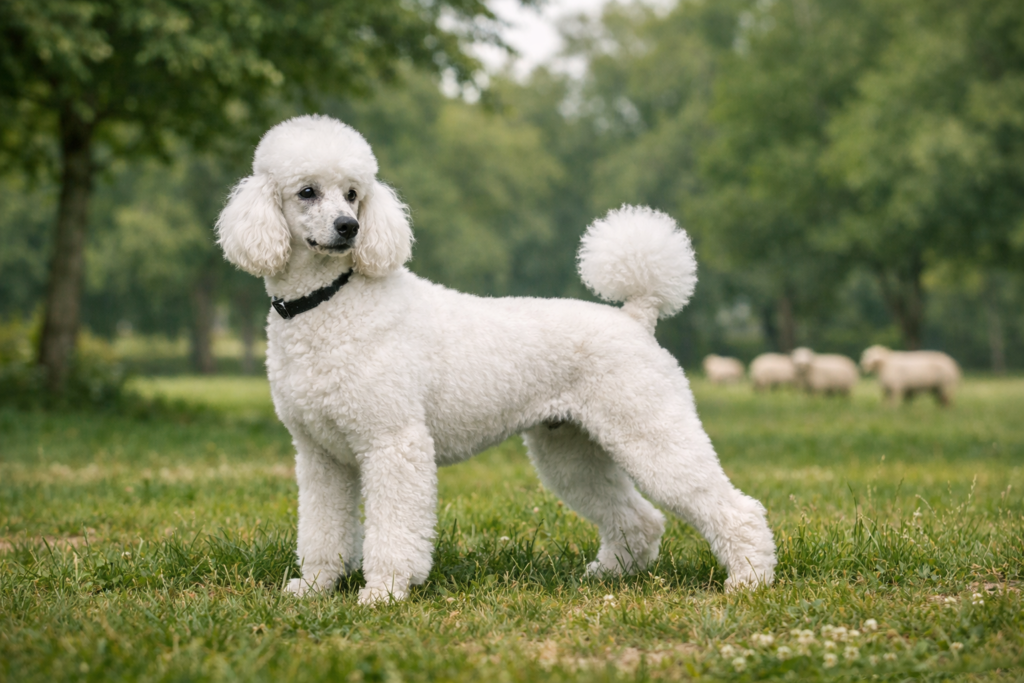
A retiree chooses a Poodle for its elegance.
They soon discover it’s not just pretty — it’s highly intelligent and needs mental stimulation.
When ignored, it starts pacing and whining.
Lesson: Utility breeds are versatile but still need engagement.
They adapt well to urban life if their minds stay active.
Toy dogs — The emotional mirrors

A young woman adopts a Chihuahua for companionship.
She carries it everywhere, never lets it walk, and reacts anxiously to every bark.
The dog becomes nervous and defensive.
It’s not spoiled — it’s absorbing her anxiety.
Lesson: Toy breeds are emotionally sensitive. They need calm, confident owners who treat them as dogs, not ornaments.
The global reality
These examples aren’t rare — they happen every day in every country.
People choose dogs with their hearts, not their minds.
They fall in love with looks, trends, or emotional impulses, forgetting that every dog carries centuries of instinct.
When those instincts clash with human lifestyles, dogs pay the price — through stress, punishment, abandonment, or euthanasia.
Core message of Part 3
Choosing a dog wisely means understanding what lies beneath the fur — the instincts, drives, and emotional needs that define the dog’s world. When owners respect those instincts, dogs thrive. When they ignore them, dogs suffer.
Related posts:

Part 2 — Physical Welfare: Health, Nutrition, and Comfort

Part 1: Why Choosing a Dog Wisely Matters

Part 1: Why Punishment Happens
“Help! My Puppy/Dog Is Urinating All Over My Apartment!” — A Clear, Calm Guide for Chinese Dog Owner...