From the Series: Understanding Dog Punishment in China — A Behaviourist’s Guide
Punishment breaks trust.
Education rebuilds it.
This chapter shows owners how to replace fear‑based methods with humane, science‑based training that strengthens understanding and respect.
1. Focus on Teaching, Not Controlling
Dogs don’t need dominance — they need clarity.
Replace “obedience” with “communication.”
Do instead:
- Teach one behaviour at a time.
- Use short, consistent cues.
- Reward calm responses.
- End sessions positively.
Learning happens when the dog feels safe enough to make mistakes.
2. Use Positive Reinforcement
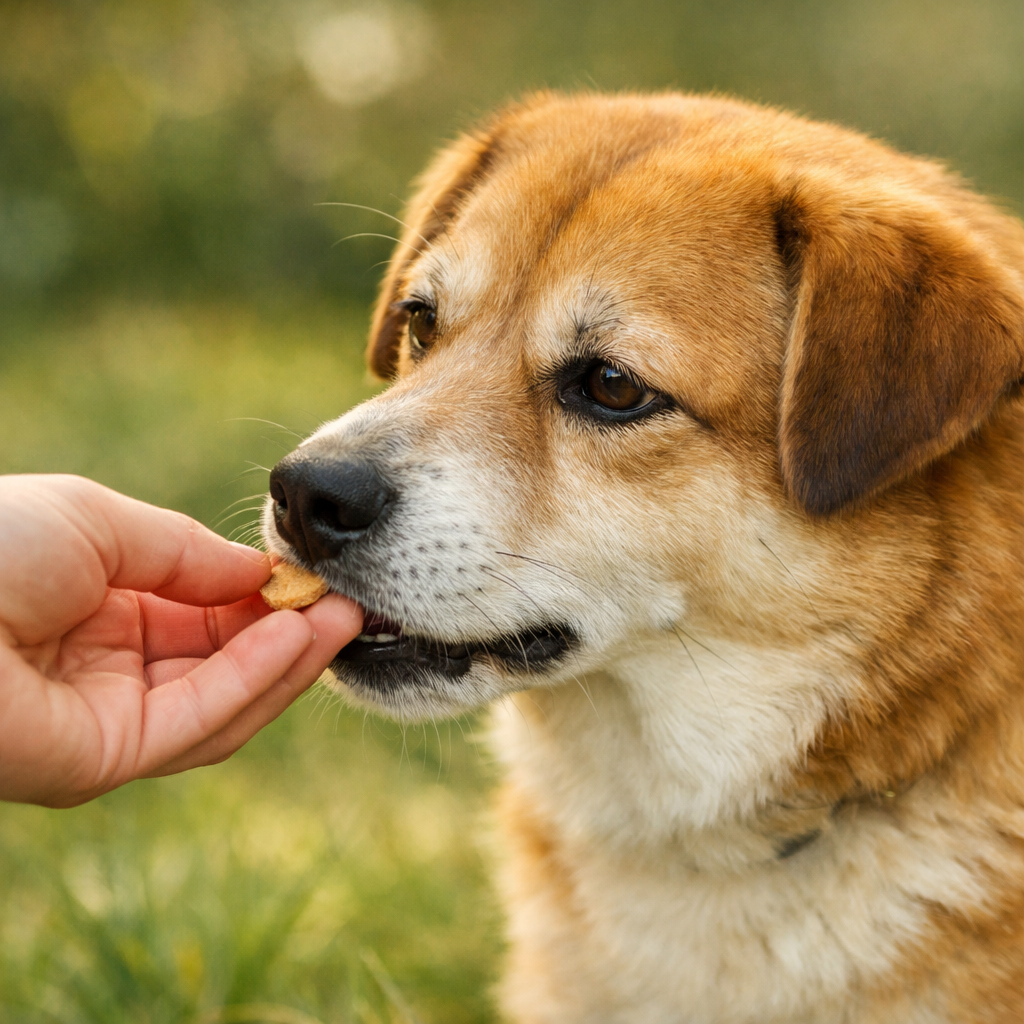
Reward what you want to see again.
Praise, treats, play, or affection — all are powerful motivators.
Why it works:
- Activates dopamine (pleasure chemical).
- Builds confidence.
- Strengthens memory.
- Deepens emotional bond.
Rewarding good behaviour teaches dogs what works, not what hurts.
3. Correct Timing
Dogs live in the present — about two seconds long.
Do instead:
- Reward immediately after the desired action.
- Ignore mistakes rather than punish them.
- Redirect calmly to the correct behaviour.
Timing turns kindness into understanding.
4. Replace “No” with Guidance
Punishment says “stop.”
Training says “do this instead.”
Example:
- Dog chews shoes → redirect to toy → praise.
- Dog jumps → ask for “sit” → reward calmness.
Clear alternatives teach faster than fear.
5. Rebuild Trust
If punishment has already occurred, healing takes time.
Do instead:
- Stop all physical and verbal punishment.
- Speak softly.
- Let the dog approach voluntarily.
- Reward calm interactions.
- Keep routines predictable.
Trust grows through repetition and safety.
6. Create a Calm Environment
Stress blocks learning.
A peaceful home teaches better than any command.
Do instead:
- Avoid shouting or sudden movements.
- Provide quiet rest areas.
- Use gentle body language.
- Keep training sessions short and positive.
Calmness is contagious — dogs mirror human emotion.
7. Encourage Curiosity
Curiosity is the opposite of fear.
When dogs feel safe, they explore, learn, and connect.
Do instead:
- Let the dog sniff and investigate.
- Reward exploration.
- Turn training into play.
- Celebrate small progress.
Curiosity builds confidence — confidence builds trust.
8. Lead by Example
Dogs watch everything you do.
Your tone, posture, and patience teach more than words.
Do instead:
- Model calm behaviour.
- Be consistent.
- Show empathy.
- Treat mistakes as communication, not defiance.
Leadership through kindness earns respect that punishment never can.
Closing Thoughts for Part 4
What owners should do instead is simple — teach, don’t threaten.
Every gentle correction, every reward, every calm moment rewires the dog’s brain for trust.
Punishment silences.
Kindness communicates.
In Part 5: Cultural Context, Compassion & The Path Forward, we’ll explore why punishment persists, how compassion helps us understand it, and how education can guide owners toward kinder, science‑based methods — one family, one community, one dog at a time.