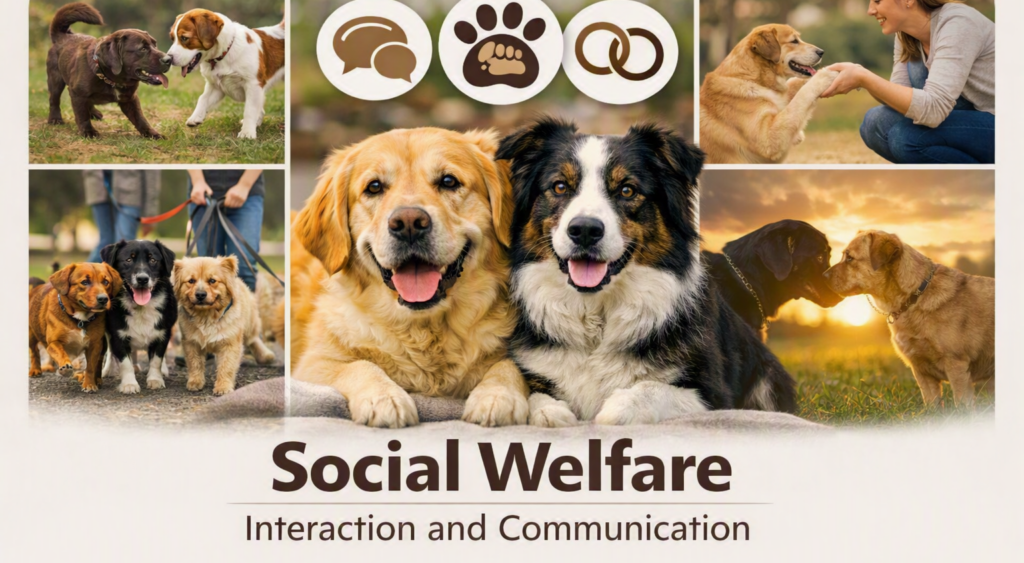
Curiosity builds connection — even across cultures.
From the Series: Understanding Dog Punishment in China — A Behaviourist’s Guide.
Punishment doesn’t happen in a vacuum.
It grows from culture, tradition, misunderstanding, and emotion.
To change it, we must first understand it — and meet it with compassion, not judgment.
This chapter explores why punishment persists, how empathy opens the door to change, and what the future can look like when education becomes part of everyday life.
1. Cultural Roots: Why Punishment Persists
In China, many dog owners punish not because they are cruel, but because they were taught that discipline equals love.
This belief comes from generations of parenting, schooling, and social norms where strictness is seen as responsibility.
Common cultural influences include:
- Hierarchical family structures
- “Obedience equals respect” mindset
- Limited access to modern behavioural education
- Social pressure to appear in control
- Misinterpretation of fear as good behaviour
When owners punish, they often believe they are doing the right thing — because it’s what they were taught.
Understanding this is the first step toward change.
2. Compassion Before Correction
If we want owners to learn, we must meet them with empathy.
Compassion means:
- Seeing frustration instead of cruelty
- Recognising cultural conditioning
- Understanding emotional overwhelm
- Offering guidance instead of blame
People change when they feel supported, not shamed.
Compassion opens the door to education.
3. Education as the Bridge
Knowledge transforms compassion into progress.
When owners learn how dogs actually think and feel, punishment loses its power.
Effective education includes:
- Simple explanations of canine behaviour
- Demonstrations of positive reinforcement
- Community workshops
- Social‑media videos in Chinese
- Veterinarians modelling humane handling
- Shelters teaching volunteers modern methods
Education doesn’t erase culture — it expands it.
4. The Role of Younger Generations
China’s younger dog owners are already shifting the narrative.
They bring:
- Curiosity
- Openness to science
- Desire for emotional connection
- Willingness to challenge old norms
They follow trainers online, read behaviour articles, and share humane methods on Douyin and WeChat.
They are the bridge between tradition and transformation.
5. The Path Forward: How Change Happens
Cultural change is slow — but it begins with small, consistent actions.
Steps toward progress:
- Replace punishment with understanding.
- Teach owners how dogs learn.
- Share success stories publicly.
- Encourage community learning.
- Support shelters that model humane training.
- Celebrate owners who change their methods.
Every conversation, every demonstration, every act of empathy moves the culture forward.
6. A Message to Dog Owners
You don’t need to be perfect.
You don’t need to know everything.
You don’t need to erase your past.
You only need to be willing to learn.
Your dog doesn’t need dominance — it needs safety.
Your love is already enough; it just needs direction.
Closing Thoughts for Part 5
Punishment is a cultural habit.
Compassion is the antidote.
Education is the path forward.
When culture meets empathy and science, dogs are no longer trained through fear — they are understood, respected, and loved.
This is how change begins.
One owner.
One family.
One dog.
One moment of compassion at a time.
Related posts:

Part 9 — Choosing More Than One Dog

Part 7 — Routine and Consistency: The Hidden Key (Section 1of2)

Dog Trainers Switch Methods Due to Empathy and Education

欢迎中文读者与访客