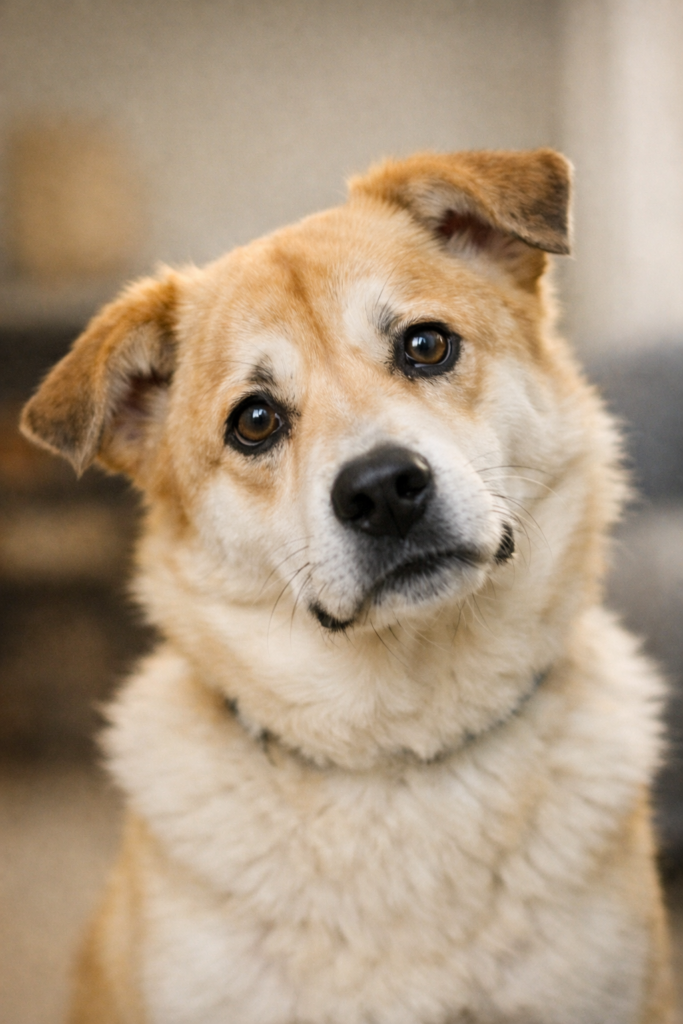
From the Series: Understanding Dog Punishment in China — A Behaviourist’s Guide
Punishment doesn’t come from cruelty. It comes from misunderstanding, frustration, and human instinct. Most dog owners — in China and everywhere else — punish their dogs because they believe it will teach the dog “right” from “wrong.” But dogs don’t think in moral terms. They think in associations, safety, and emotion.
This first part of the series explores why punishment feels natural to humans, why it happens so often, and why owners believe it works — even when it doesn’t.
1. Humans Expect Dogs to Think Like Humans
People assume dogs understand:
- right vs wrong
- rules
- fairness
- guilt
- intention
But dogs don’t have a moral compass. They have a survival compass.
Dogs repeat behaviours that feel safe, rewarding, or familiar. They avoid behaviours that feel frightening or confusing. When owners punish a dog, the dog doesn’t think:
“I shouldn’t have done that.”
The dog thinks:
“I don’t understand why my human is angry.”
This misunderstanding is the root of most punishment.
2. Cultural Habits and Childhood Learning
Many owners punish their dogs because:
- they grew up seeing punishment used
- neighbours, friends, or family told them it “works”
- it’s considered normal or traditional
- they believe dogs must be “controlled”
- they think punishment equals discipline
In China especially, dog ownership education is still developing. Many people simply repeat what they saw growing up — not because they want to harm their dog, but because they don’t know another way.
Punishment becomes a habit, not a conscious decision.
3. Owners Misinterpret Dog Behaviour
Most punishment happens because owners misread the dog’s actions:
- Toilet accidents are seen as “naughty,” not developmental.
- Chewing is seen as “destructive,” not stress relief.
- Barking is seen as “disobedience,” not communication.
- Fear responses are seen as “stubbornness,” not anxiety.
When owners misunderstand the behaviour, they respond emotionally — often with punishment.
But the dog is not misbehaving. The dog is communicating.
4. Punishment Feels Instinctive When Humans Are Frustrated
Humans react emotionally when:
- they’re tired
- they’re stressed
- they’re overwhelmed
- they feel embarrassed
- they feel judged
- they don’t understand what the dog needs
Punishment becomes a release of frustration, not a training method.
This is why punishment is so common — it’s a human reaction, not a training strategy.
5. Owners Believe Punishment Works Because Dogs Show “Guilt”
This is one of the biggest misunderstandings.
When a dog:
- lowers its head
- avoids eye contact
- tucks its tail
- hides
- looks “guilty”
…owners think the dog “knows what it did wrong.”
But guilt is a human emotion. Dogs show appeasement behaviour — a fear response meant to calm the angry human.
The dog isn’t guilty. The dog is scared.
This makes owners believe punishment “works,” when in reality, the dog is simply trying to avoid conflict.
6. Punishment Happens Because Owners Don’t Know the Alternatives
Most owners punish because they don’t know:
- how dogs learn
- how to reinforce behaviour
- how to prevent mistakes
- how to build trust
- how to redirect behaviour
- how to teach calmly and consistently
Punishment fills the gap where education is missing.
This series exists to fill that gap.
7. Punishment Happens Because Dogs Cannot Explain Themselves
Dogs cannot say:
- “I’m scared.”
- “I’m confused.”
- “I don’t understand.”
- “I need help.”
- “I’m still learning.”
So humans interpret behaviour through a human lens — and react through human emotion.
Punishment becomes the default response because the dog cannot speak.
This series is here to speak for them.
Closing Thoughts for Part 1
Punishment happens because humans misunderstand dogs — not because humans are cruel. It happens because dogs cannot explain themselves — not because dogs are “naughty.” It happens because owners are doing their best with the knowledge they have — not because they don’t care.
Part 1 sets the foundation for the rest of the series. Next, we will explore Part 2: Common Punishments in China — not to shame, but to understand.
Your dog is not misbehaving. Your dog is communicating. And understanding that changes everything.
Related posts:

Part 8 — Integrating Welfare into Everyday Life (Part 2 of 2)

Part 2: Common Punishments in China
Part 5 — Social Welfare: Interaction and Communication

Part 3 — Mental Welfare: Stimulation and Enrichment